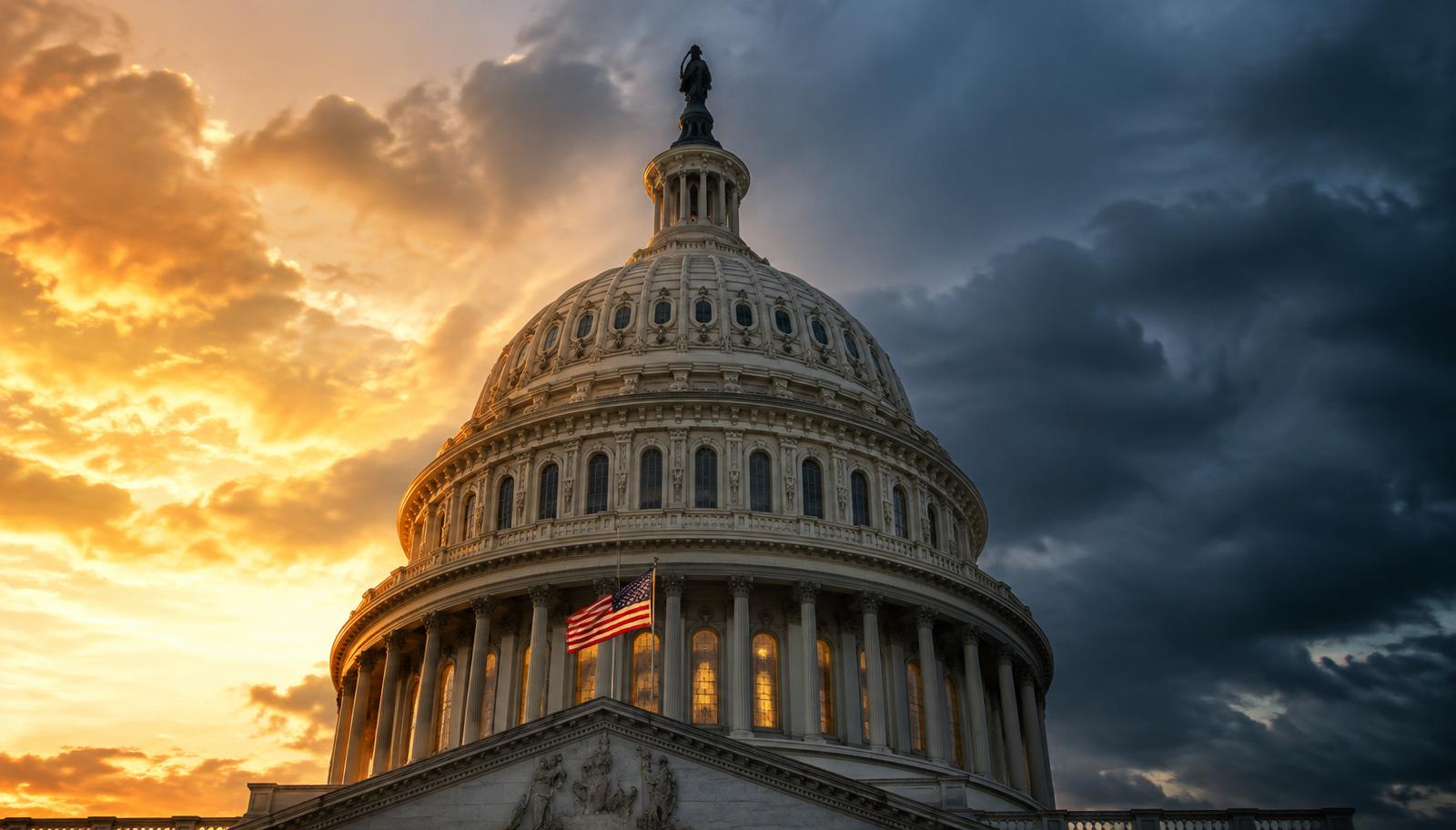
America has long presented itself to the world as the land of opportunity, freedom and wealth — a country where individual ambition can lead to extraordinary success, and where democratic institutions are supposed to protect the rights and dignity of its citizens.
Yet today, many people around the world are watching America with a mixture of fascination, concern and disbelief.
How did a country with such enormous economic power, technological achievement and global influence become so politically divided? And why do millions of Americans listen, cheer and sometimes laugh at the extraordinary things said by President Donald Trump?
These questions deserve more than simple answers.
One country, two Americas
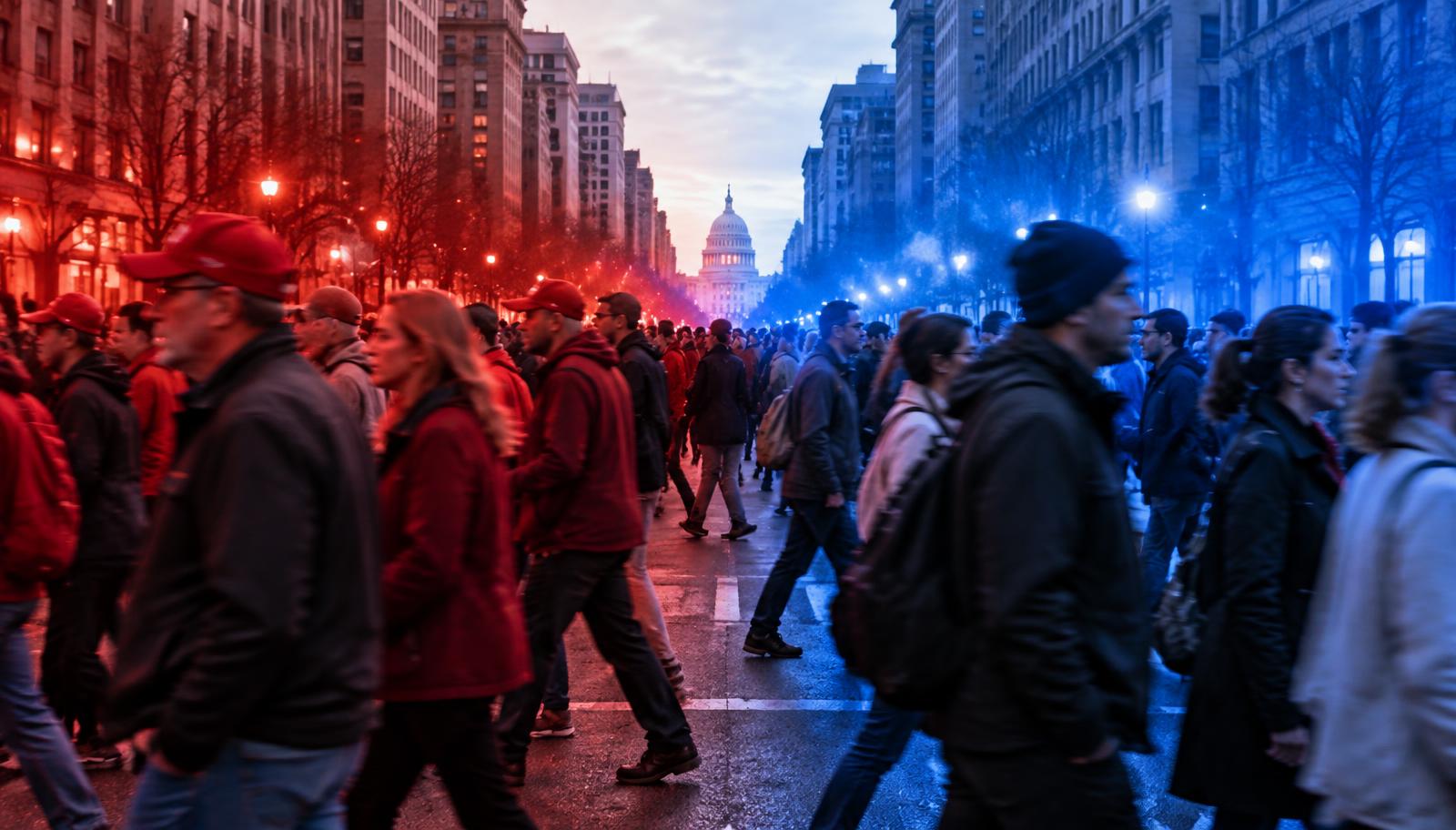
America is not one country politically or culturally. Millions of Americans strongly support Trump, while millions of others strongly oppose him. The country is divided across political, cultural, economic and geographical lines. For many Trump supporters, his unconventional language represents a rejection of an establishment they believe has ignored ordinary Americans. For his opponents, the same rhetoric represents a dangerous weakening of political norms and public trust.
The deeper story: political tribalism
Politics is no longer simply about competing policies. For many Americans, it has become part of their identity. Supporting one political side can mean supporting a particular vision of what America should look like, while the opposing side can be viewed not merely as political competition but as a threat to the country's future.
This helps explain why statements that would once have shocked people can now produce applause or laughter. Politics has increasingly become entertainment, identity and confrontation at the same time.
What happened to American exceptionalism?
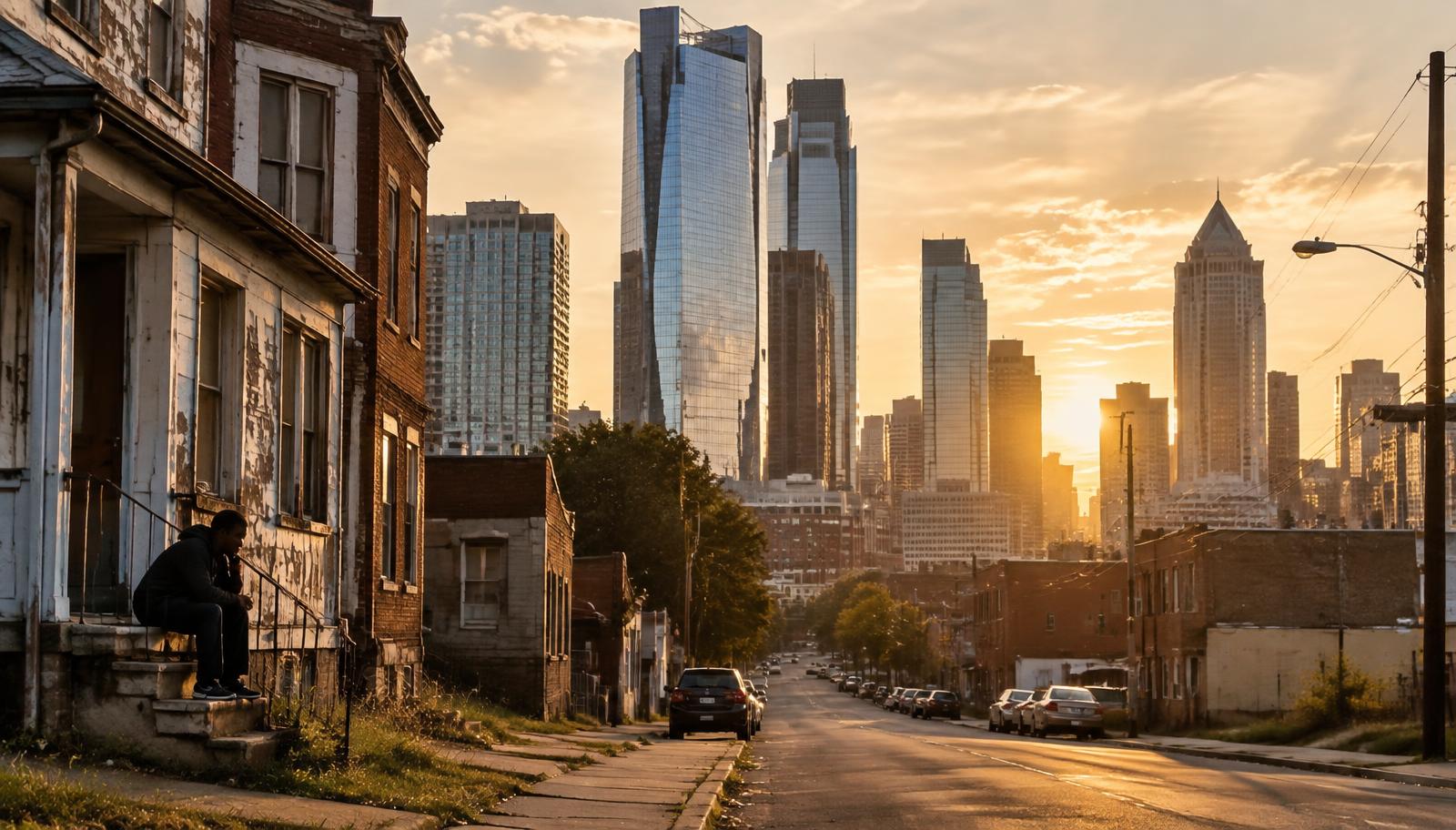
For generations, America has portrayed itself as a model for the world — a defender of freedom, democracy, human rights and opportunity. Yet America's enormous wealth exists alongside poverty, homelessness, inequality, expensive healthcare, political distrust and deep social divisions.
A nation can be extraordinarily powerful and still have serious problems.
Why the world watches
America's global influence also means that its political behaviour is watched far beyond its borders. When American leaders speak about other countries, threaten tariffs, challenge international institutions or redefine relationships with allies and rivals, the consequences are felt internationally.
This is why the world should neither blindly admire America nor simply condemn it.
There is much to admire: American scientific achievement, universities, entrepreneurship, constitutional traditions, civil-rights movements, cultural creativity and the millions of ordinary Americans who contribute positively to their communities and the wider world.
Four lessons
- Wealth does not automatically produce wisdom.
- Military power does not automatically produce moral authority.
- Democracy does not automatically eliminate division.
- Freedom does not guarantee responsible political leadership.
Perhaps the greatest mistake would be to believe that one nation or one people is inherently superior to another.
America's history contains extraordinary achievements, but so does the history of Africa, Asia, Europe, the Middle East and Latin America. Civilisations across the world have contributed knowledge, philosophy, science, art, trade, agriculture and political ideas that shaped humanity.
No people have a monopoly on intelligence, dignity or civilisation.
How a nation should be measured
The real strength of a nation should not be measured only by the size of its economy, its military or its influence over other countries. It should also be measured by:
- How it treats its poorest citizens
- How it protects its minorities
- How honestly its institutions function
- How peacefully political disagreement is handled
- Whether ordinary people can genuinely build a better life
America remains enormously influential. But perhaps the question facing Americans today is not whether America is the greatest country in the world.
The more important question is: what kind of America do Americans want to build for the next generation?
That is a question Americans themselves must answer. And the rest of the world can watch, learn — and make its own choices.