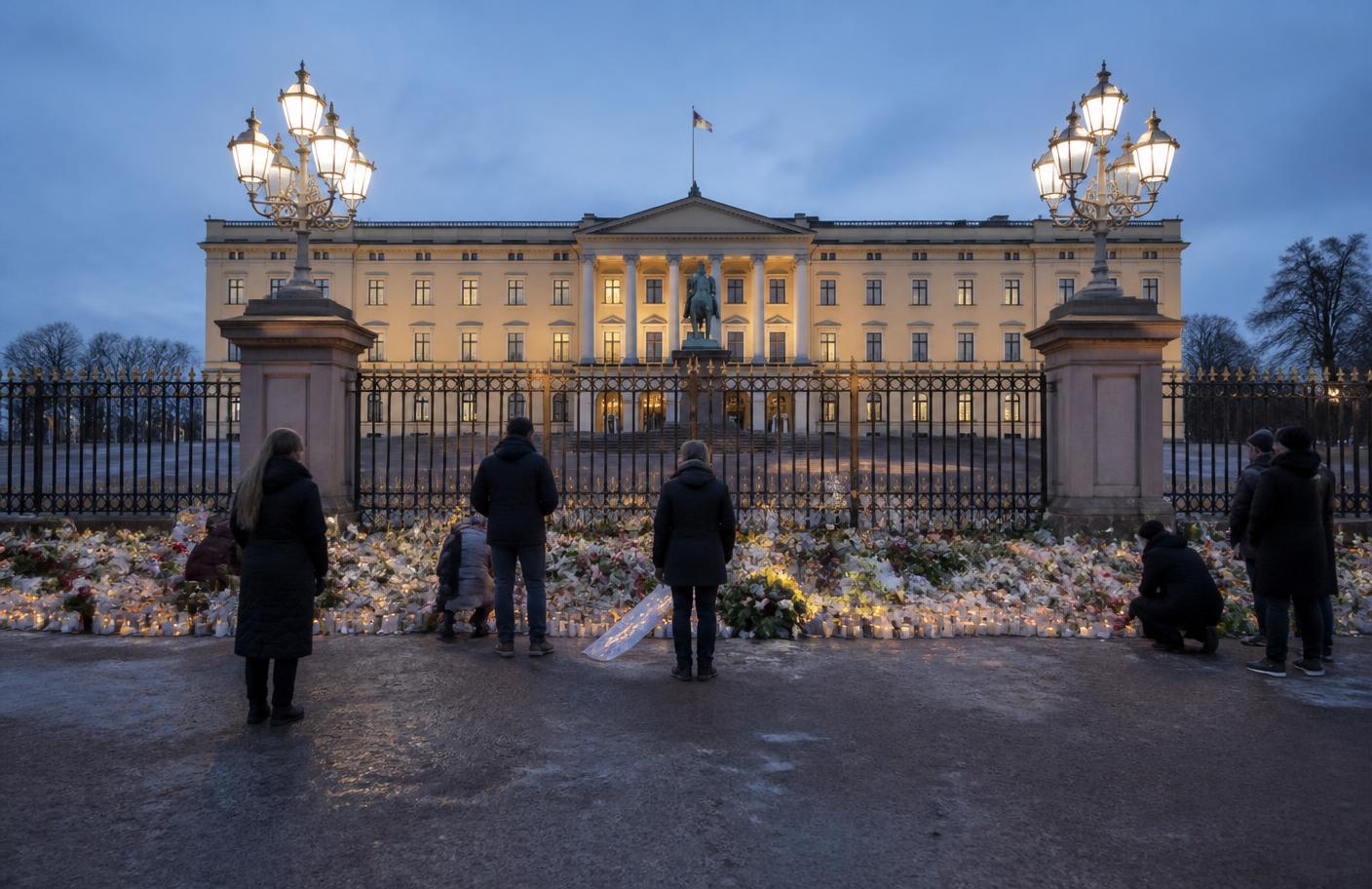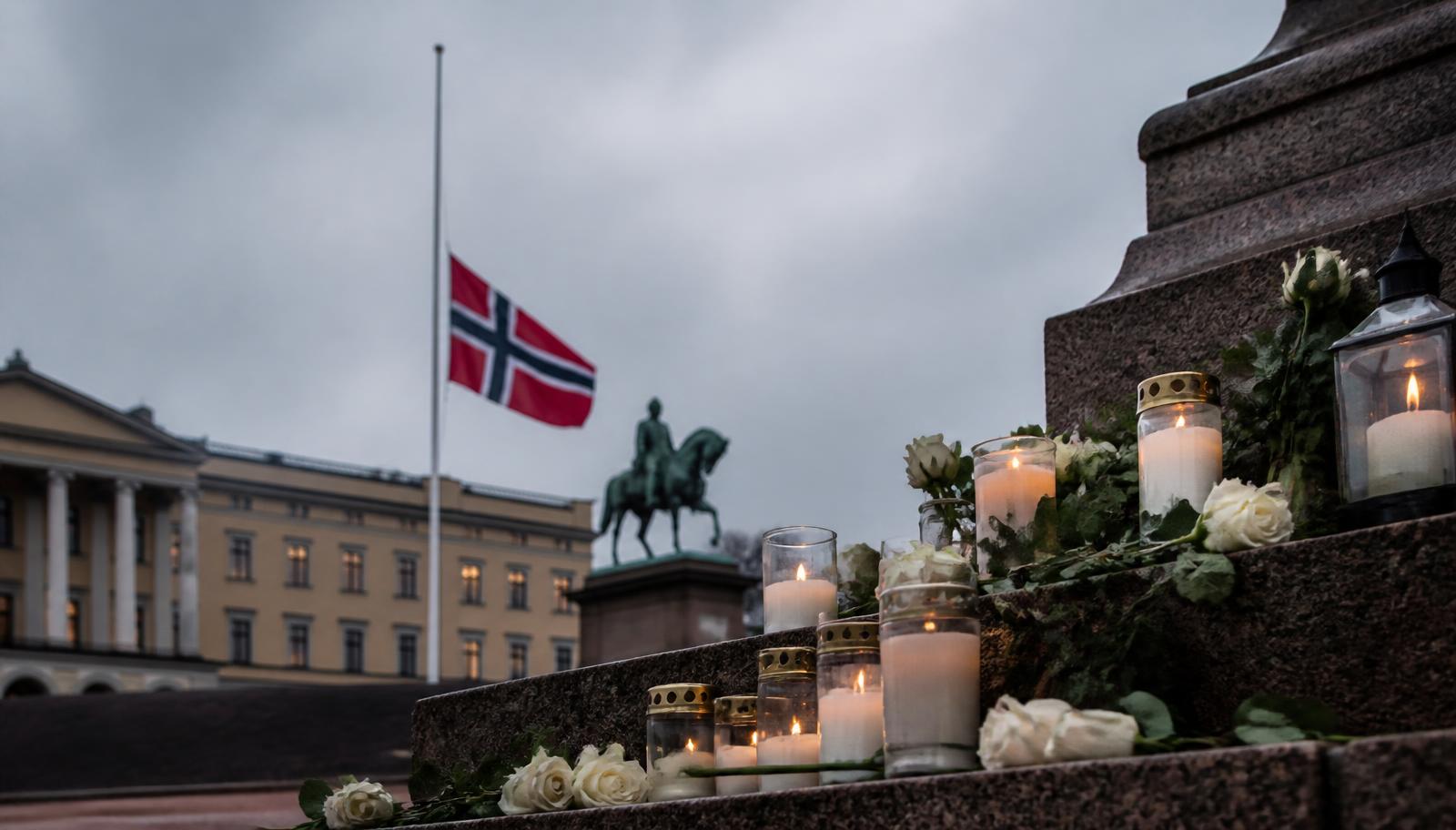
Few monarchs have been so widely and so simply liked. Harald V was not a distant figure of ceremony; he was a man Norwegians felt they knew — dry, self-deprecating, visibly moved at the right moments, and stubborn about the things that mattered to him. When he died on 28 August 2026, the mourning that followed was less the formal grief owed to a head of state than the private grief owed to a grandfather.
His life began in the shadow of war. Born at Skaugum in February 1937, the first prince born on Norwegian soil in more than five centuries, he was three years old when German forces invaded. The royal family fled: his grandfather King Haakon VII and his father Crown Prince Olav to London, while the young prince, his mother and his sisters crossed to the United States. He learned to read in exile and came home in 1945 to a country that had held onto its monarchy as a symbol of refusal.
The formative decision of his adult life had nothing to do with statecraft. He fell in love with Sonja Haraldsen, a merchant's daughter, and waited nine years — through objections, gossip and constitutional anxiety — before telling his father that if he could not marry her, he would not marry at all. They wed in 1968. In doing so he quietly settled a question the Norwegian monarchy had never faced squarely: whether it belonged to the nobility or to the country. Everything about the way he reigned afterwards followed from that answer.
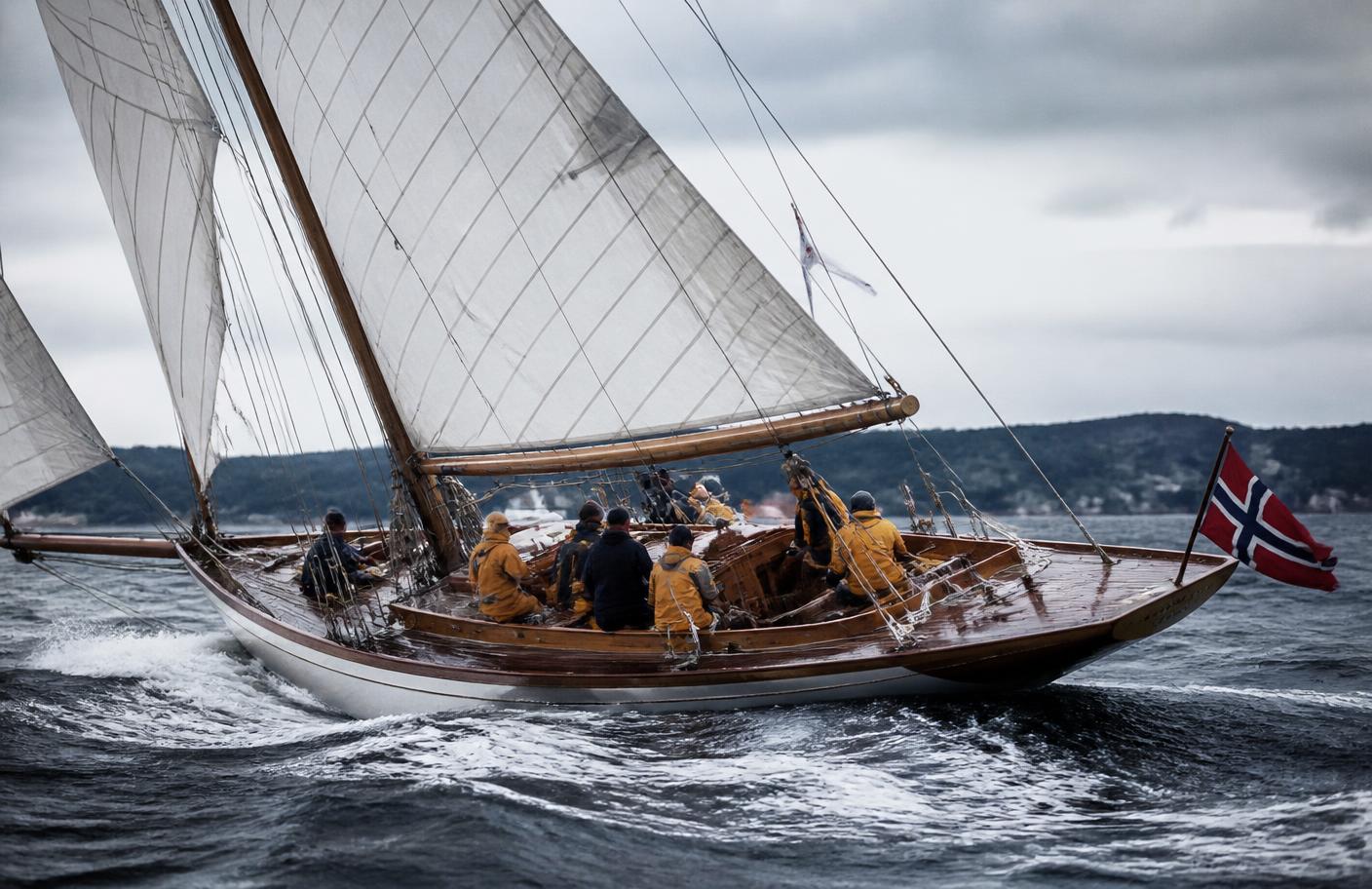
He was a serious sportsman, not a ceremonial one. He sailed for Norway at the Olympic Games in 1964, 1968 and 1972, carried the flag in Tokyo, and went on winning world championship medals into his seventies. Norwegians who met him on the water describe a competitor rather than a king.
He came to the throne in January 1991 on the death of his father, taking the motto 'Alt for Norge' — Everything for Norway. His reign covered the Lillehammer Olympics, the long oil boom, the immigration debates that reshaped Norwegian society, and the terror of 22 July 2011, when he wept openly in the cathedral alongside a stunned country. In 2016, in a speech at a palace garden party, he set out his own definition of who counted as Norwegian: people from the north and the south, immigrants from Afghanistan, Pakistan, Poland, Sweden, Somalia and Syria, girls who love girls and boys who love boys, people who believe in God, Allah, everything and nothing. 'Norway is you. Norway is us.' It was not a policy statement, and it was more effective than one.
His last years were marked by illness — infections, a pacemaker, a long hospitalisation abroad in 2024 — and by the family difficulties that filled Norwegian front pages. He handled both the same way: without drama, without complaint, and with an evident wish to keep working. He kept opening parliament, kept receiving ambassadors, and kept turning up long after anyone would have blamed him for stopping.
He leaves Queen Sonja, Crown Princess Märtha Louise, and his son, now King Haakon VIII, who inherits a monarchy that survives in the twenty-first century largely because his father made it ordinary enough to love.