In economic theory, capitalism transforms poverty through a growing middle class. In Somalia and Somaliland, free markets exist without that buffer. This is why.
The Somali territories are often held up as a natural experiment in stateless markets: money transfers that clear faster than Western banks, mobile payments used by herders, traders financing container ships on a handshake. All of it is real. What is missing is the outcome the theory promises — a broad, salaried, property-owning middle class. The reason is not that Somalis are bad capitalists. It is that what operates there is not institutional capitalism at all.
01
Clan-based capitalism, not institutional capitalism
True capitalism requires an impartial state to enforce contracts, protect property rights and regulate monopolies. Here, economic power is fused with clan lineage.
Access to lucrative sectors — ports, telecoms, sugar imports — is not about merit or innovation, but about clan affiliation. That creates rent-seeking, not wealth creation. The elite do not invest in factories; they invest in securing the political power that keeps their import monopolies intact.
02
The economy is extractive, not productive
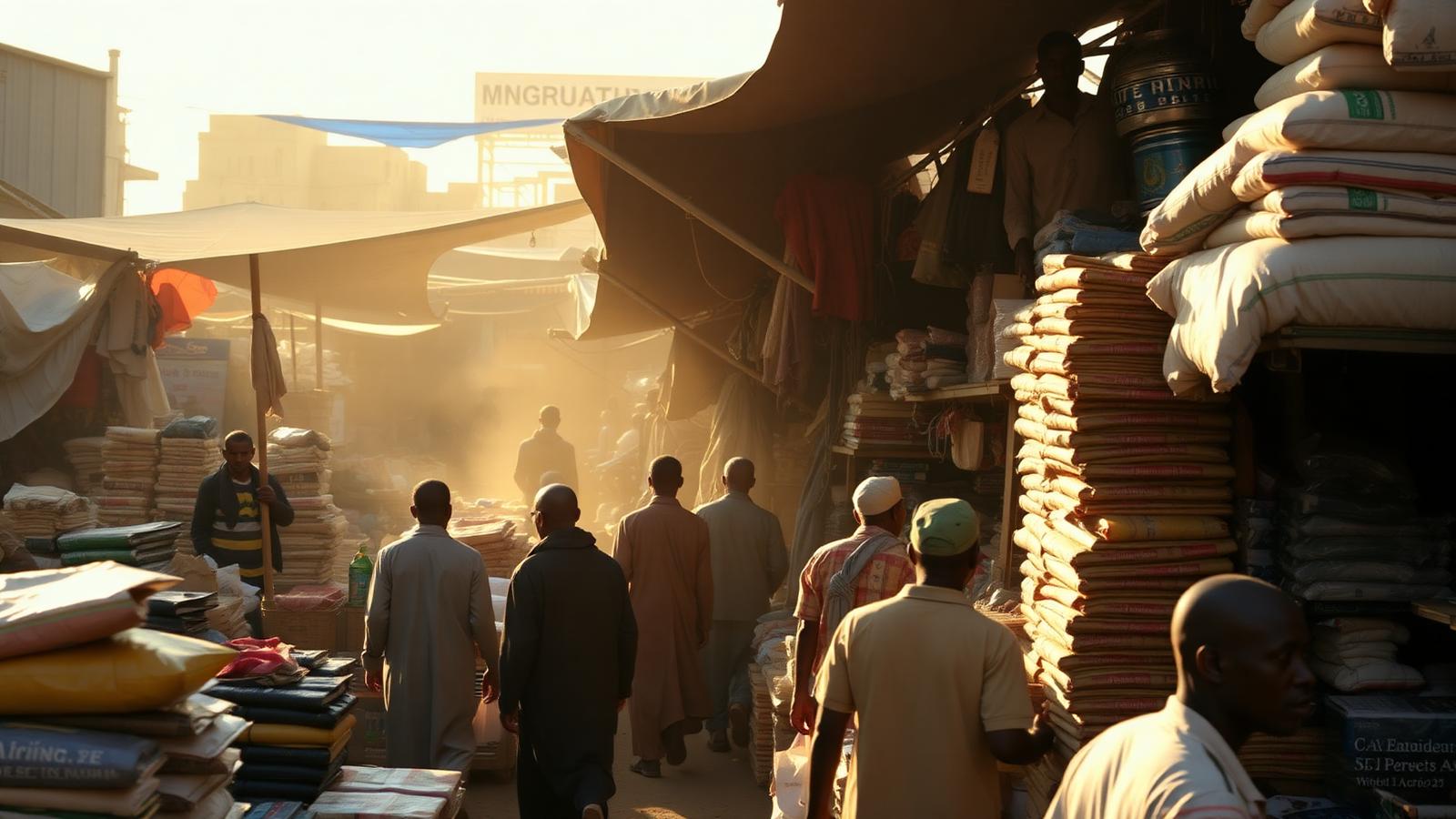
Middle classes historically emerge from manufacturing and industrialisation. Somalia and Somaliland lack this. The economy rests on livestock at subsistence-level herding, remittances that fund consumption rather than investment, and imports that undercut what little local manufacturing exists.
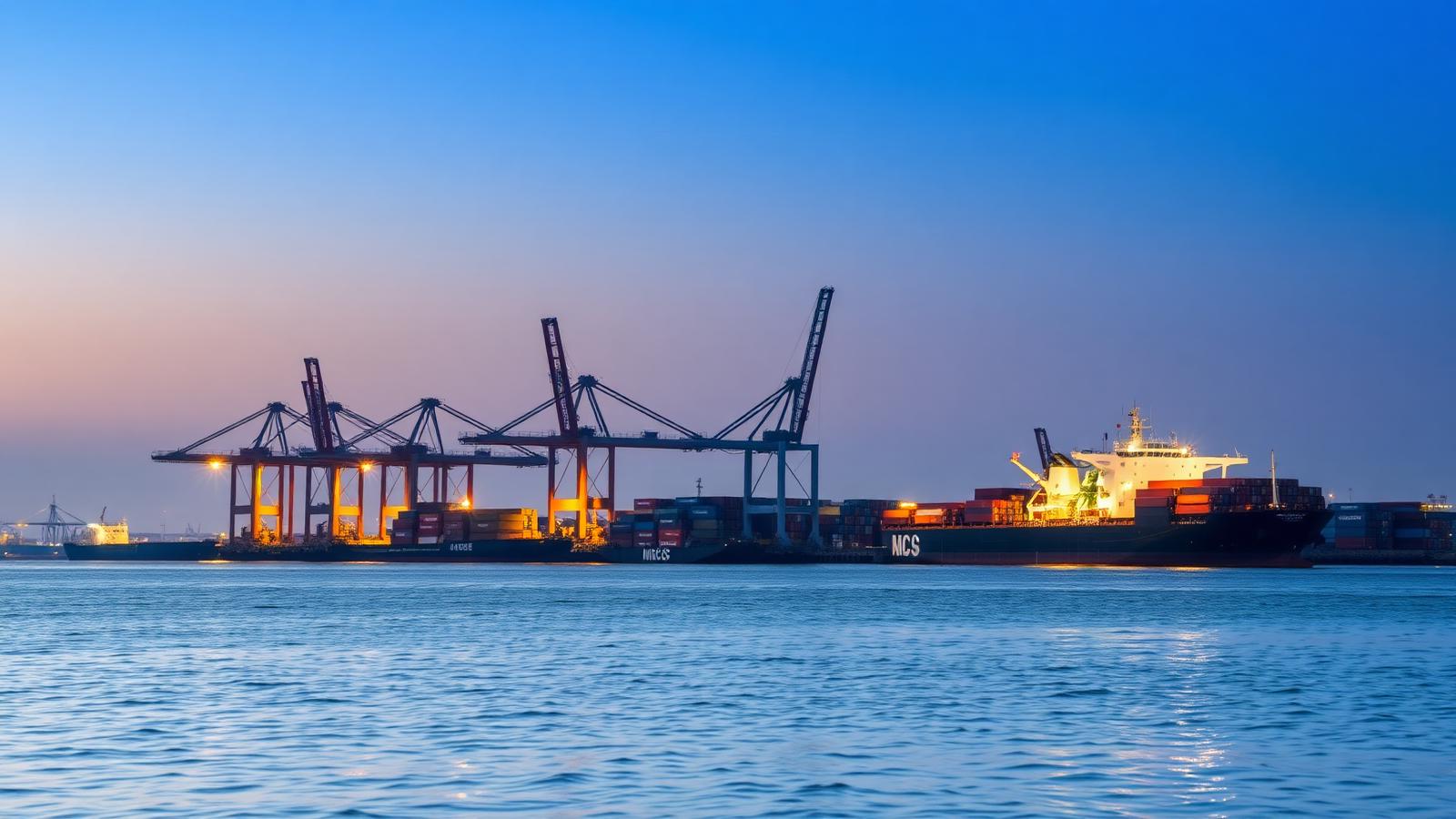
Wealthy monopolists control ports and airports, skimming tariffs on imported goods. They make fortunes without employing a significant local workforce, leaving the majority in the informal sector — street vending, low-skill labour — with no path to upward mobility.
03
The missing-credit trap
A small business owner cannot scale into a middle-class enterprise because there is no formal banking system or credit registry. Without enforceable collateral laws, lenders refuse to lend.
The only source of large capital is diaspora savings or clan pooling — and that money flows into importing cars and khat, not into building the local supply chains that would hire staff and create a salary-earning class.
04
Brain drain destroys the seed corn
Whenever a family gets a little money, they send their brightest child abroad. The educated class leaves for the UK, the US or Kenya.
Remittances keep families alive, but they drain the talent pool needed to manage SMEs, teach vocational skills or run mid-level administration — precisely the jobs that define a middle class.
05
Conflict divides the pie, it does not grow it
Somalia's instability forces the wealthy to spend profits on private security rather than research, expansion or employee training.
In Somaliland relative peace exists, but the government lacks tax capacity. It negotiates revenue-sharing with monopoly families instead of taxing them progressively. The state remains too weak to build the roads and electricity grids that small factories need to exist at all.
Ports are the single most valuable asset in the Somali economy — and the most concentrated. Whoever controls the gate collects on everything that passes through it.
What the economy actually rests on
Livestock
Subsistence-level herding, exported live rather than processed
Tariff-skimming at ports; displaces local manufacturing
Telecoms
Genuinely innovative, but narrowly held and lightly taxed
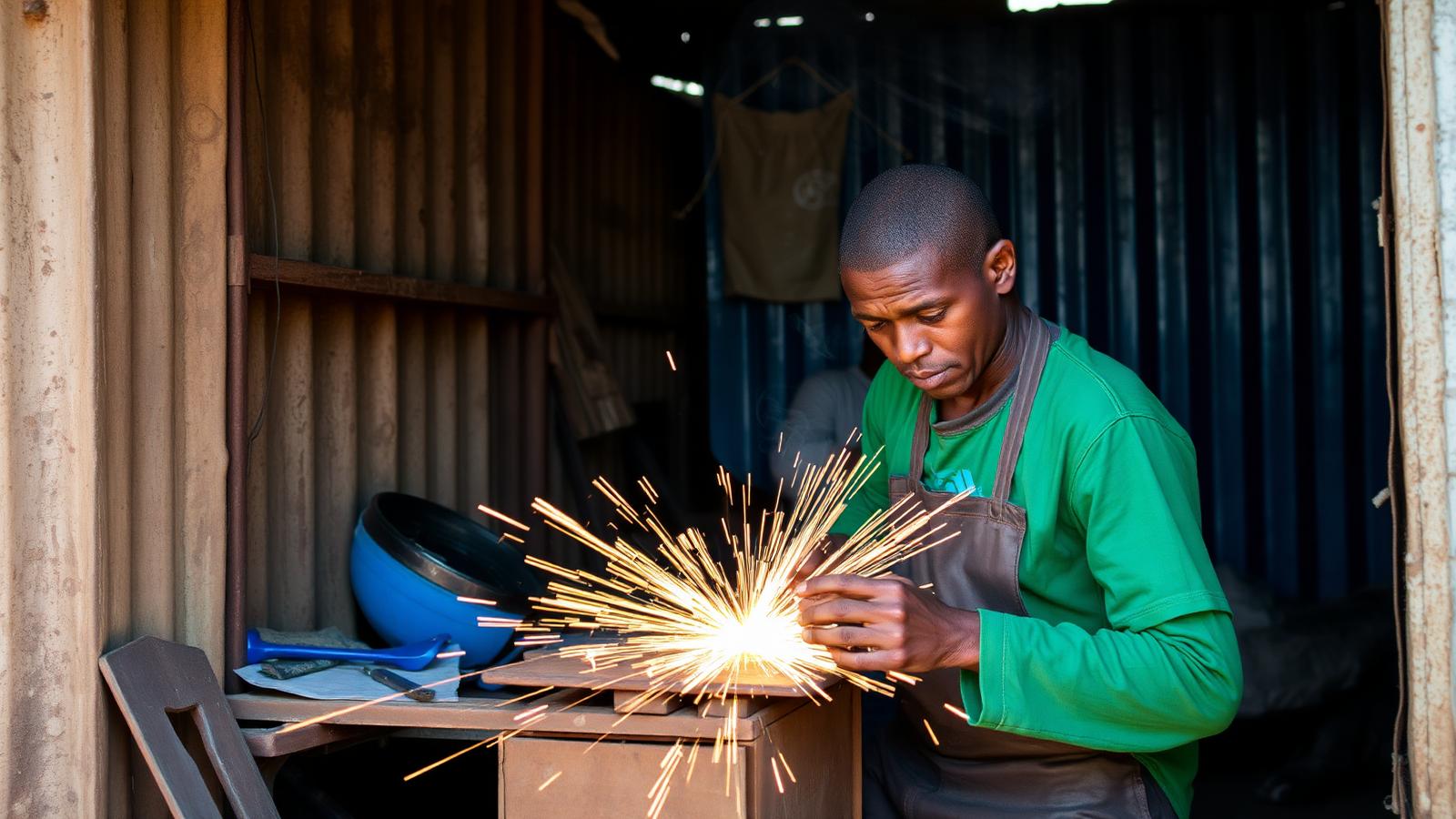
The missing rung: workshops like this one cannot borrow against their tools, so they never become the twenty-employee firms that create salaried jobs.
The bottom line
What exists is not capitalism — it is crony feudalism. A middle class requires a state that can enforce antitrust rules, build infrastructure and collect taxes to fund education. Until there is a social contract in which the rich pay in and the state protects the weak, the market stays a zero-sum game in which the few consume and the many survive.
What would have to change
Contract enforcement and a functioning collateral and credit registry so lenders can lend.
Antitrust rules that open port, sugar and fuel imports to genuine competition.
A progressive, negotiated-to-legislated tax base rather than revenue-sharing deals with families.
Public infrastructure — roads, grid power, water — as the precondition for any factory.
Vocational and technical education that gives returning diaspora and local graduates something to run.
Watch
Somaliland: the political economy of Africa's unrecognised state
Golden Land: a search for riches in Somaliland (Al Jazeera Witness)