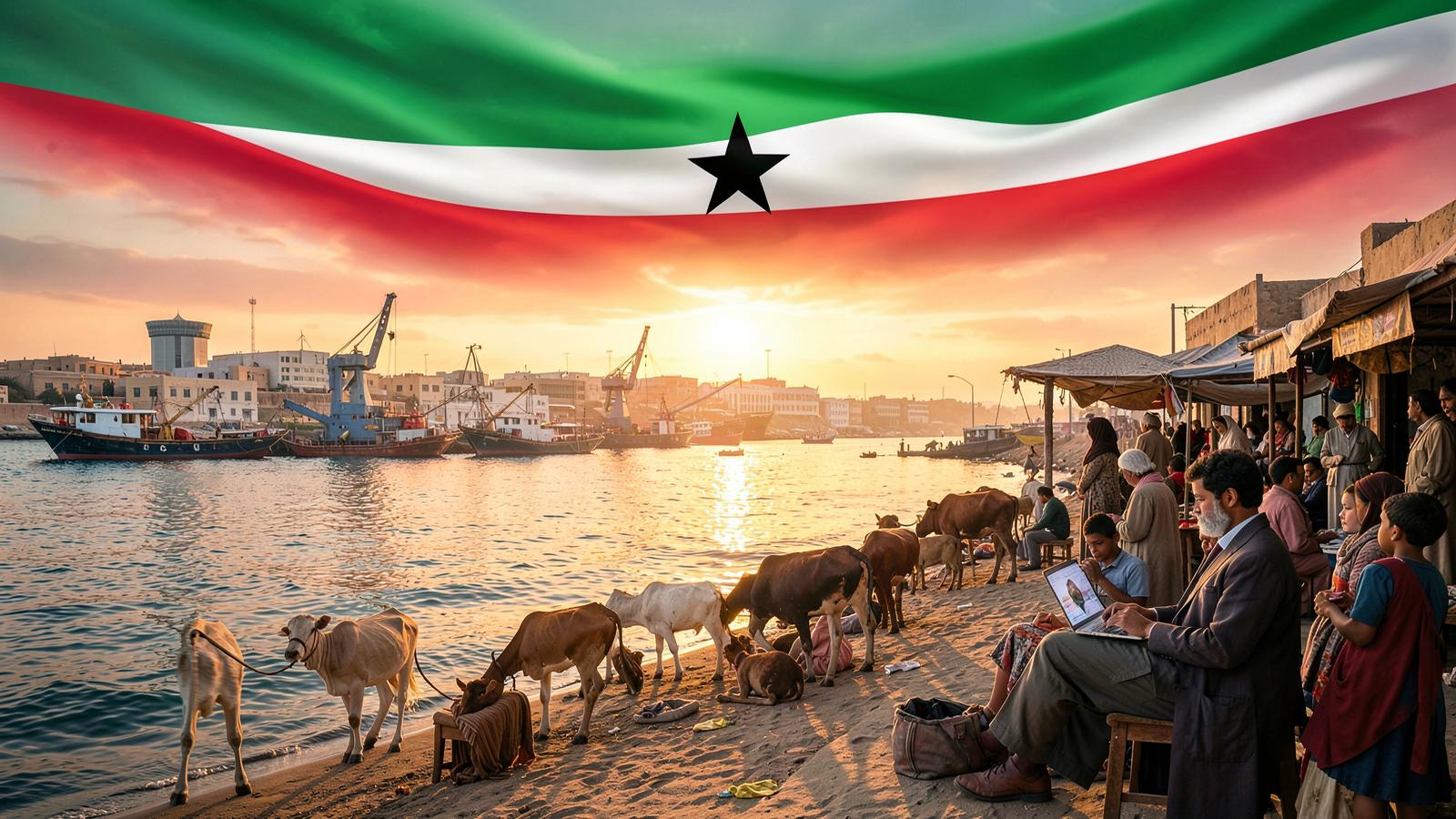
Israel's recognition of Somaliland is a historic diplomatic development. After decades of seeking international recognition, Somaliland finally has an important breakthrough that could change the country's relationship with the outside world.
But there is a danger in celebrating recognition as though the struggle is over.
It is not.
For the majority of Somalilanders, international diplomacy is distant from the immediate reality of daily life. Recognition does not automatically create jobs. It does not lower the price of food. It does not provide healthcare, build schools or put money into the pockets of struggling families.
For many ordinary people, the fundamental question remains brutally simple:
How are we going to live?
Political resilience is not enough
Somaliland has demonstrated remarkable political resilience since 1991. It has maintained relative peace, developed its own institutions and created a political system under exceptionally difficult circumstances.
But political stability cannot be the final achievement. It must become the foundation for economic transformation.
The danger of an economy that leaves its people behind
Somaliland cannot build its future around remittances, international assistance and a relatively small private sector forever.
A country with a large young population needs productive employment. Young people need reasons to remain, build businesses, acquire skills and believe that their future can be better than their parents' past.
If young Somalilanders see unemployment, poverty and limited opportunities while a small number of people become increasingly wealthy, political recognition will mean very little to them.
That is where Somaliland's leaders must be held accountable. The government cannot continue measuring progress primarily through political achievements, conferences, diplomatic meetings and declarations.
The real measure of government is the condition of its people.
- How many jobs have been created?
- How much has household income improved?
- How affordable is education?
- How accessible is healthcare?
- How much electricity can ordinary families afford?
- How easily can a young entrepreneur start a business?
- How much investment is reaching the productive economy?
- Is the average Somaliland family becoming better off?
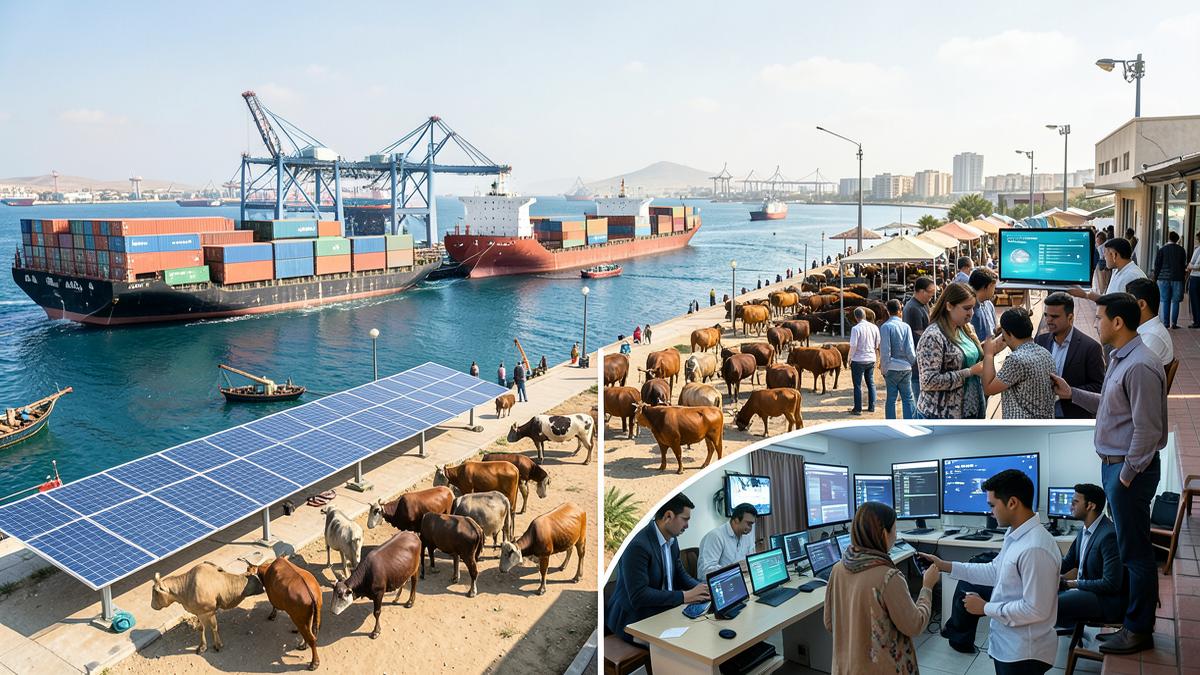
Recognition must produce investment — not merely celebration
Israel's recognition should be treated as an opportunity, not an achievement that allows Somaliland's leaders to become complacent.
Somaliland now has an opportunity to approach other countries, investors and international institutions with greater confidence. Its strategic location, coastline, livestock sector, fisheries, agricultural potential, proximity to Ethiopia and position along one of the world's most important maritime corridors could all contribute to economic development.
But geography alone will not make Somaliland prosperous. Investors require reliable institutions, transparent regulations, independent courts, infrastructure, electricity, banking systems and protection of legitimate investment.
And Somaliland must confront corruption wherever it exists. There is no point attracting billions in foreign investment if the benefits are captured by a narrow political and commercial elite while ordinary citizens remain poor. Foreign investment should create jobs, transfer knowledge, develop local businesses and expand the tax base — not simply create a handful of wealthy individuals.
The government must look inward
Recognition also creates a responsibility for Somaliland's political class. For decades, the argument has understandably been that Somaliland's greatest challenge was lack of international recognition.
Now that the country has achieved an important breakthrough, that argument can no longer explain every economic failure. The government must now be judged much more directly on governance.
- Public money must be used transparently.
- Institutions must become stronger.
- Corruption must be confronted.
- The private sector must be encouraged.
- Education must be connected to the needs of the economy.
- Agriculture and livestock must be modernised.
- Fisheries must be developed sustainably.
- Renewable energy must be expanded.
- Infrastructure must be designed not simply to look impressive, but to increase productivity and connect people to markets.
The diaspora cannot carry Somaliland forever
The Somaliland diaspora has played an extraordinary role in supporting families and keeping the economy functioning. But remittances should not become Somaliland's permanent economic model.
Money sent home can help a family survive, but an economy becomes sustainable when it creates productive employment and domestic wealth. The next generation of diaspora involvement should therefore increasingly move from consumption toward investment: factories, technology companies, farms, fisheries, logistics, renewable energy, education and other businesses capable of creating thousands of jobs.
The greatest resource is Somaliland's people
Somaliland's most valuable resource is not its coastline. It is not its livestock. It is not its minerals. It is not even its strategic geographical position.
It is its people.
If Somaliland can educate its young population, give them skills, create employment and provide an environment where they can build businesses, the country could gradually transform itself. But if a generation grows up without meaningful economic opportunity, no diplomatic achievement can permanently compensate for that failure.
The moment demands a different kind of leadership
Somaliland has spent decades asking the world to recognise its political reality. Now it must demonstrate something equally important: that recognition can improve the lives of its citizens.
This requires a shift in national thinking. The political class must move beyond the language of recognition and begin speaking much more seriously about production, employment, investment, education, healthcare and living standards.
The opposition must also move beyond simply criticising the government and present credible economic alternatives. Civil society, business leaders, intellectuals and the diaspora must demand transparency and accountability. And ordinary citizens must be treated not merely as voters, supporters or recipients of remittances, but as the owners of Somaliland's future.
Israel's recognition may have opened an important diplomatic door. But there is another door that Somaliland must now open: the door to prosperity.
Because at the end of the day, history will not judge Somaliland's success only by how many governments recognised it. It will judge Somaliland by whether its own people could build decent, secure and dignified lives in the country they fought so hard to preserve.
Recognition is a beginning — not the end. The next national struggle must be economic independence and prosperity for the people of Somaliland.
Editorial by Abdirazak Basha · horncompass.world