
Djibouti's expanded free zone bids to become East Africa's logistics hub
A new 4,800-hectare phase, warehousing tax breaks and a second undersea cable landing are all pointed at a single goal: replacing Dubai as the region's transhipment default.
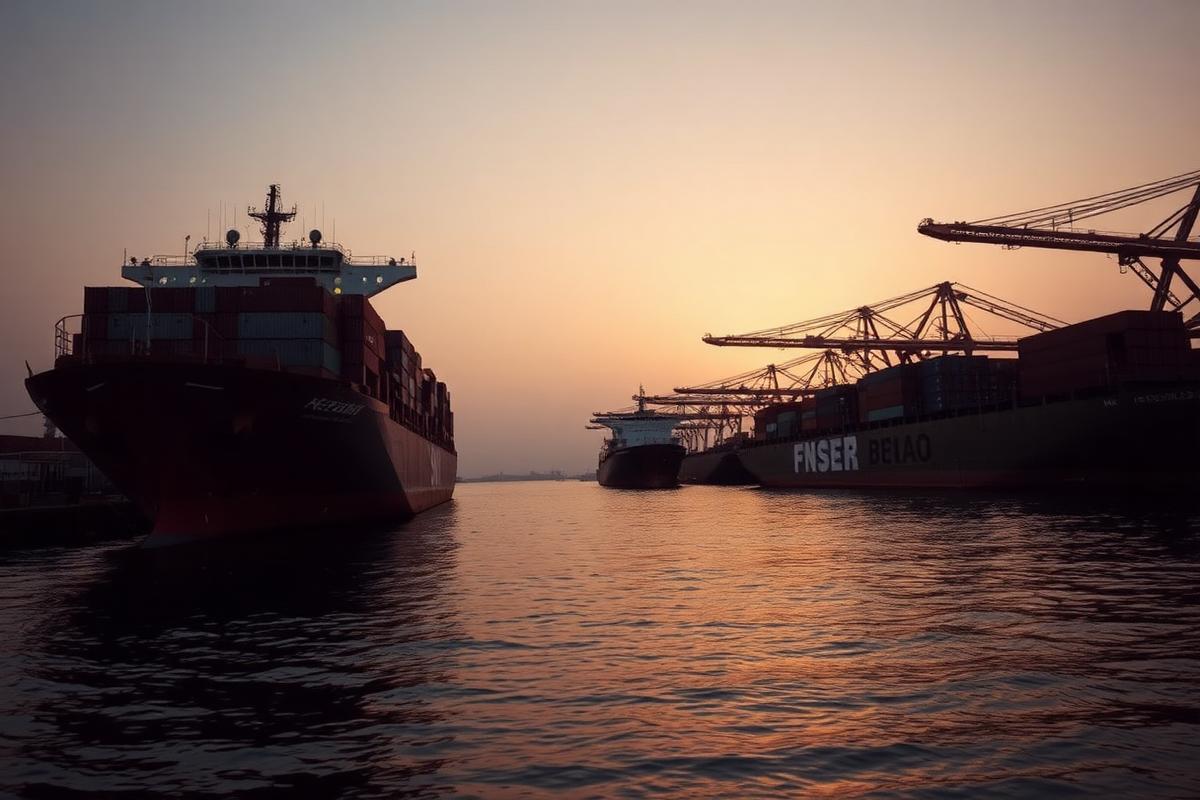
Djibouti — The Djibouti International Free Trade Zone rolled out its second major expansion phase this month, marketing itself to freight forwarders as a lower-cost, closer alternative to Jebel Ali for cargo bound for landlocked East Africa.
The government is pairing the physical expansion with a fifteen-year warehousing tax holiday and financing for a second submarine cable landing, which should cut e-commerce latency to Nairobi and Addis Ababa.
Analysts caution that debt sustainability and single-buyer concentration risks remain, but conceded the pitch is now the most credible in the region.