
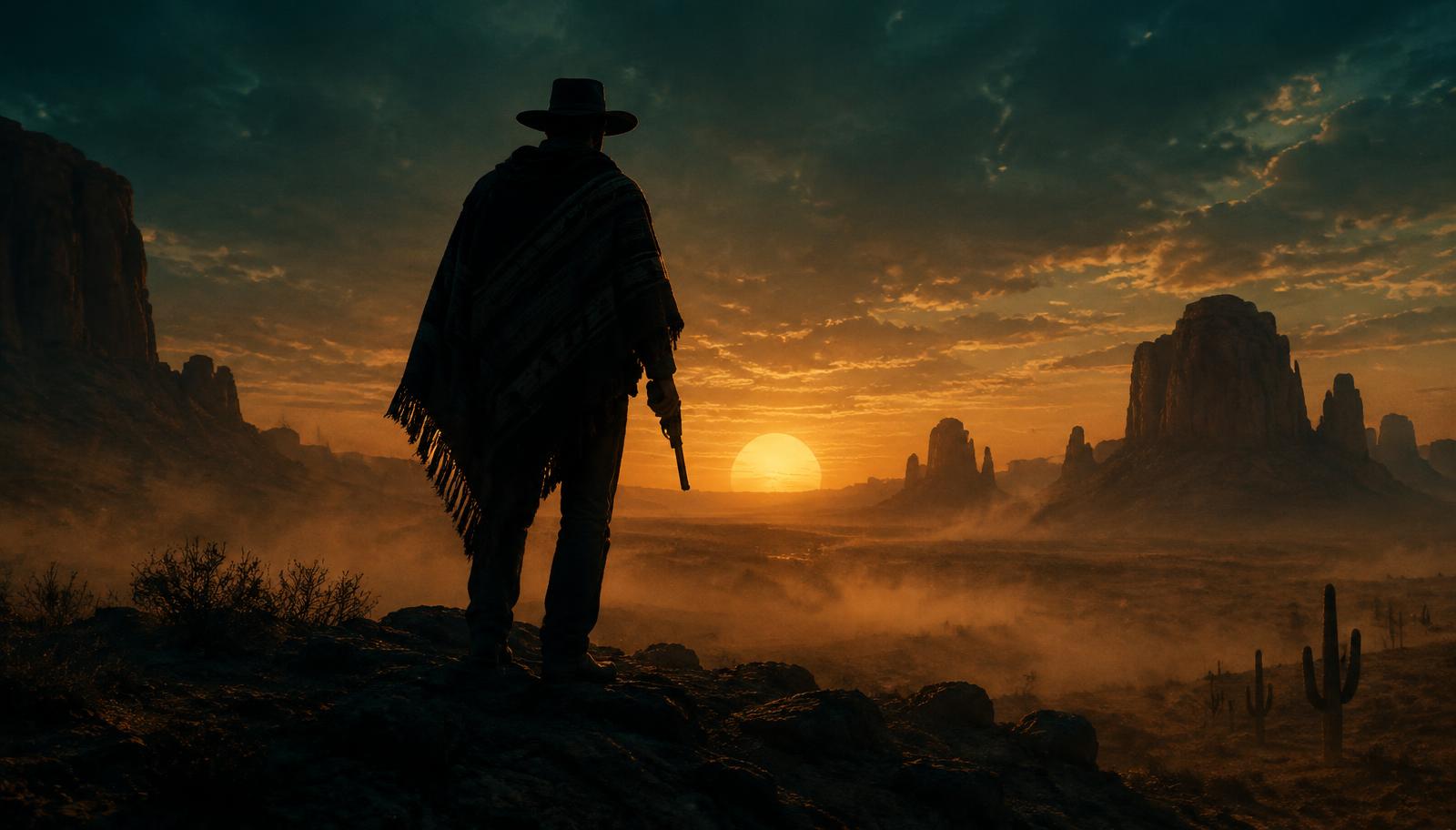
Clint Eastwood is one of the most influential figures in American cinema. He became internationally famous as a tough, quiet cowboy in Western films, later established himself as a major action star, and eventually earned worldwide respect as an award-winning film director.
Born on 31 May 1930 in San Francisco, California, Eastwood has spent more than seven decades in the entertainment industry. His career is remarkable because he succeeded not only as an actor but also as a director, producer, composer and, briefly, a politician.
His early life: 1930–1950s
Clint Eastwood was born Clinton Eastwood Jr. during the Great Depression. His family moved around California while his father searched for employment. As a young man, Eastwood worked a variety of jobs, including truck driving and logging, and was drafted into the United States Army in the early 1950s, serving at Fort Ord in California.
His entry into Hollywood came in the mid-1950s, when Universal Studios gave him small acting roles. Success did not arrive immediately; he had to work his way through minor parts before landing a role that would change his life.
His breakthrough: Rawhide (1959–1965)
Eastwood became widely recognised through the American television Western Rawhide, playing Rowdy Yates, a young cowboy on cattle drives across the American frontier. The series gave him national exposure and helped establish his screen image: a strong, reserved man who spoke little but acted decisively.
However, his greatest fame was still ahead. His move from American television to Italian-produced Western films would transform him into an international star.
The Westerns that made him famous: 1964–1966
In 1964’s A Fistful of Dollars, Eastwood played the mysterious gunslinger known as the Man with No Name. He returned as a calculating bounty hunter in For a Few Dollars More (1965), and starred alongside Eli Wallach and Lee Van Cleef in The Good, the Bad and the Ugly (1966), a Western set during the American Civil War.
Eastwood’s character was not always a traditional hero. He could be selfish, morally ambiguous and dangerous, yet he often possessed his own sense of justice. This made him one of cinema’s most recognisable figures.
The Dirty Harry era: 1971 onwards
In 1971, Eastwood introduced another iconic character: Inspector Harry Callahan in Dirty Harry. The film was hugely influential but controversial, prompting debate about its portrayal of violence, policing, individual justice and the limits of state authority.
The success of Dirty Harry produced several sequels and established Eastwood as a leading action star. But Eastwood was already thinking beyond acting. He wanted to control the stories he told and how they were made.
Becoming a film director
In 1971, Eastwood made his directorial debut with Play Misty for Me, a psychological thriller that demonstrated he could build suspense from behind the camera. He went on to direct Westerns, romantic dramas, crime stories, war films and biographical dramas — including The Outlaw Josey Wales (1976), a Civil War-era Western about loss, revenge and the possibility of finding a new family after violence.
Unforgiven (1992): the Western that changed his legacy
Many film historians regard Unforgiven as one of Eastwood’s greatest achievements. He directed the film and starred as William Munny, a former gunfighter drawn back into a violent world he thought he had escaped. Unlike the heroic cowboys of traditional Westerns, Munny is troubled by the people he has killed.
The film won four Academy Awards, including Best Picture and Best Director for Eastwood. Its success established him as one of Hollywood’s most respected directors, not simply an action star.
Million Dollar Baby (2004): a different side of Eastwood
In 2004, Eastwood directed and starred in Million Dollar Baby alongside Hilary Swank and Morgan Freeman. Beneath its boxing setting, the film explores family, regret, dignity and difficult moral decisions. It won four Academy Awards, including Best Picture and Best Director for Eastwood, and demonstrated that he could direct intimate, emotionally complex dramas.
The 2000s and 2010s
Eastwood continued making films about courage, prejudice, responsibility and the human cost of conflict: Mystic River (2003), a crime drama about childhood trauma; Letters from Iwo Jima (2006), which portrays Japanese soldiers in the Second World War; Gran Torino (2008), in which he plays an embittered Korean War veteran; Invictus (2009), about Nelson Mandela and rugby in a divided South Africa; American Sniper (2014), on the personal costs of military service; and Sully (2016), about the emergency landing on the Hudson River.
Politics and personal beliefs
In 1986, Eastwood was elected mayor of Carmel-by-the-Sea, California, serving until 1988. Although associated with the Republican Party for much of his public life, his views have not always fitted neatly into party lines; he has expressed libertarian-leaning positions. His political career was brief compared with his film career, but it reflected his longstanding belief in personal independence and limited government.
The later career
Even in his later years, Eastwood continued directing: The Mule (2018), Richard Jewell (2019) and Juror No. 2 (2024), which follows a juror who discovers that information connected to his own past could affect a murder trial — a story of conscience, justice and civic responsibility.
His honours include four competitive Academy Awards, the Irving G. Thalberg Memorial Award, the American Film Institute Life Achievement Award and the National Medal of Arts, awarded in 2009.
Why Clint Eastwood matters
Eastwood’s importance lies in how he transformed himself. As a young actor, he played men of few words who relied on instinct and determination. As a mature filmmaker, he explored the weaknesses, regrets and moral contradictions behind that tough exterior. His Westerns changed how Hollywood portrayed violence and heroism; his later dramas explored grief, prejudice, war and human dignity.
He has not been without controversy, and not every film received universal praise. Nevertheless, his longevity and achievements place him among the most significant American filmmakers of his generation — an actor who became a filmmaker, and a filmmaker who kept challenging himself long after achieving international fame.