
Ethiopia's growth paradox: strong GDP but stubborn poverty
Ethiopia has been one of Africa's faster-growing economies, yet rapid population growth, inflation, conflict and uneven wealth distribution mean millions still struggle to get by.
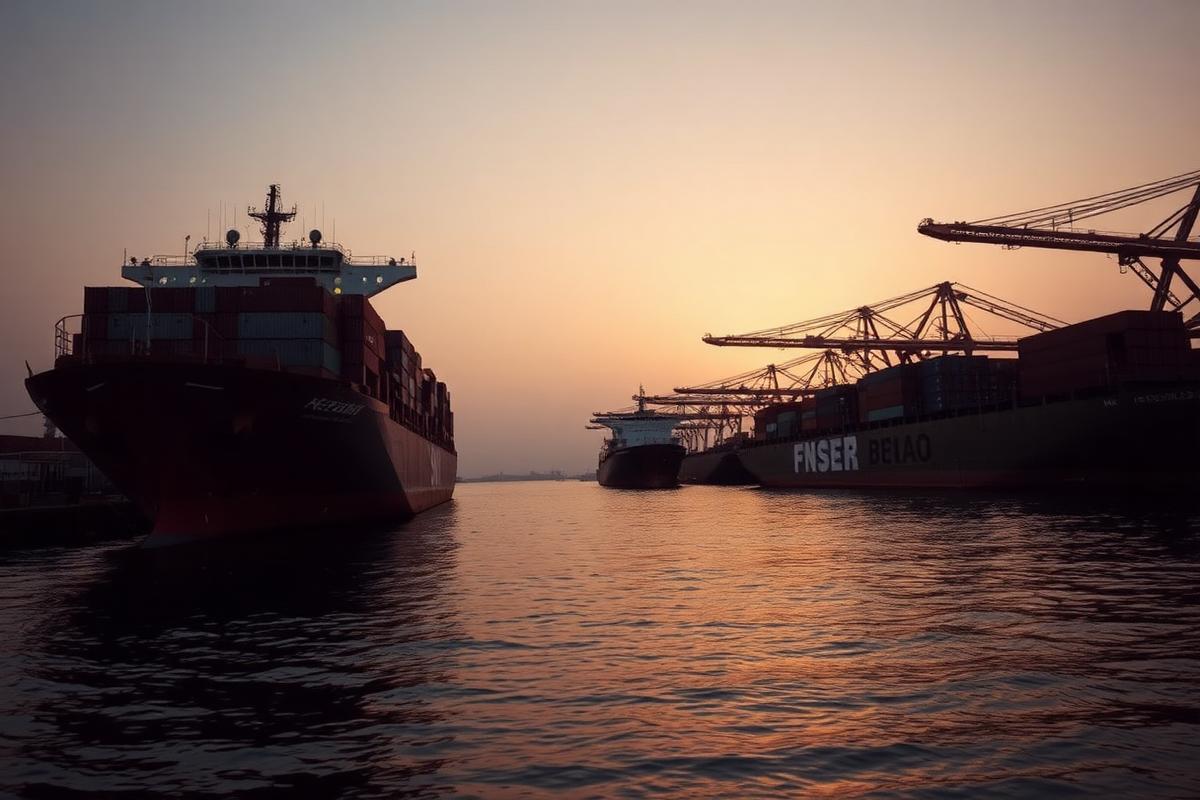
Ethiopia's economy has recorded strong GDP growth over much of the past two decades, but economic growth does not automatically mean that most people become wealthier.
Rapid population growth is one reason. Ethiopia has one of Africa's largest and fastest-growing populations, now exceeding 130 million people. When the population grows this fast, the economy has to expand even faster just to raise average living standards.
Agricultural dependence also holds many households back. A large share of Ethiopians still depend on small-scale farming. Many farmers have low productivity and are vulnerable to drought, climate change and fluctuating crop prices.
High unemployment and underemployment add to the strain. Millions of young people enter the workforce every year, yet the economy has struggled to create enough well-paying jobs, especially in manufacturing and technology.
Inflation has repeatedly eroded gains. Even when wages increase, rising food and housing prices can reduce people's purchasing power.
Conflict and instability have made matters worse. Armed conflicts in regions such as Tigray, Amhara and Oromia have damaged infrastructure, displaced millions of people and discouraged investment. Resources that could have gone into education, healthcare or industry have instead been diverted to security and reconstruction.
Unequal distribution of wealth is another factor. Economic growth is not always shared evenly. Businesses, urban residents and people with access to capital may benefit much more than rural communities and low-income households.
Ethiopia has also invested heavily in infrastructure — roads, railways, industrial parks and projects like the Grand Ethiopian Renaissance Dam (GERD). These investments can boost long-term growth but may not immediately increase the incomes of ordinary families.
Is Ethiopia actually growing? Yes. By many economic measures, Ethiopia has been among Africa's faster-growing economies over the last 20 years. However, growth has slowed at times because of conflict, debt pressures, inflation and external shocks. Growth in GDP is a measure of total economic output — it does not necessarily indicate how income is distributed or whether poverty has fallen at the same pace.
Many economists argue that sustained poverty reduction would require better-quality education and skills training, more manufacturing and private-sector jobs, support for modernizing agriculture, lower inflation, stronger institutions and less corruption, peace and political stability, and investment that reaches rural as well as urban areas.
In short, a country can have a growing economy while many people remain poor if the benefits of growth are unevenly distributed, population growth is rapid, inflation is high and there are too few productive jobs. Ethiopia illustrates many of these challenges, alongside genuine economic progress in infrastructure and industrial development.
Reader comments
Every comment is reviewed by an editor before it is published.
Loading…
Sign in to submit a comment.
Sign in